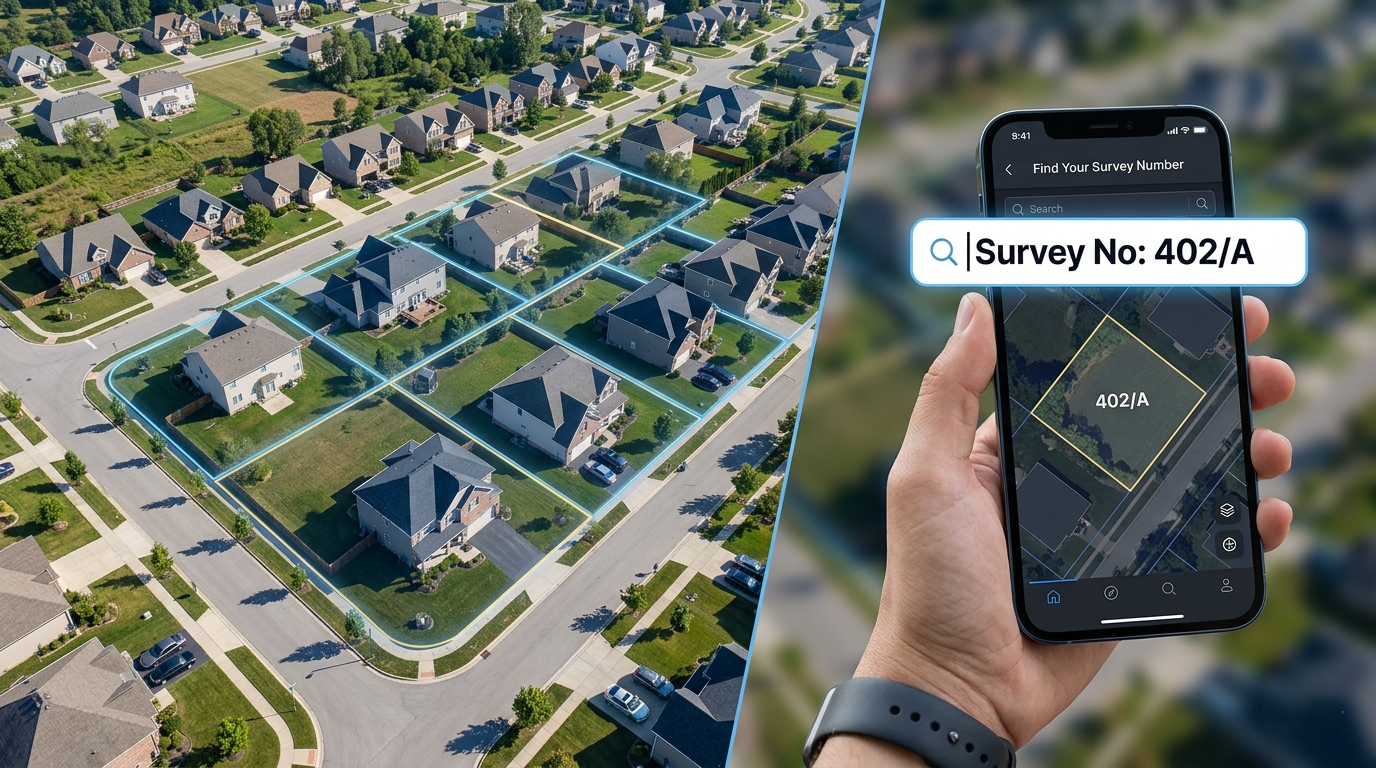
What is a Property Survey Number?
A property survey number constitutes a unique code assigned to a plot of land. It helps to distinguish it from other properties. The property survey number is also known as a parcel number or an assessor’s parcel number (APN). This identifier is crucial for various purposes, including property assessment, taxation, and transfer of ownership.
Why is the Property Survey Number Important?
The property survey number holds significant importance for several reasons:
- Accurate Identification: It precisely identifies a specific piece of land, preventing confusion or disputes arising from similar addresses or descriptions.
- Legal Documentation: It is a vital component of legal documents related to property, such as deeds, mortgages, and easements, ensuring clear and unambiguous property descriptions.
- Property Records: It facilitates efficient organization and retrieval of property records, making it easier to access information about ownership, boundaries, and other relevant details.
- Assessment and Taxation: It enables accurate property assessment for tax purposes, ensuring fair and consistent taxation based on the property’s value and characteristics.
How to Find a Property Survey Number?
Finding the property survey number can be achieved through various methods:
- Property Deed: The property deed, a legal document that transfers ownership, typically includes the property survey number.
- Tax Bill: The property tax bill usually displays the property survey number, as it is essential for tax assessment and collection.
- County Assessor’s Office: The county assessor’s office maintains property records, including survey numbers, and can provide this information upon request.
- Online Property Records: Many counties offer online portals to search for property information, including survey numbers, using an address or owner’s name.
What Information Can Be Obtained Using a Property Survey Number?
Using a property survey number, one can obtain a wealth of information about the property:
- Ownership Information: Details about the current owner(s) of the property.
- Property Boundaries: A precise delineation of the property’s boundaries and dimensions.
- Acreage: The total area of the property, usually expressed in acres or square feet.
- Zoning Information: Regulations governing the use of the property, such as residential, commercial, or industrial.
- Tax Assessment: The assessed value of the property for tax purposes.
- Sales History: A record of previous sales transactions involving the property.
- Legal Encumbrances: Information about any liens, mortgages, easements, or other encumbrances affecting the property.
Common Issues Related to Property Survey Numbers
Several issues can arise in relation to property survey numbers:
- Incorrect or Missing Numbers: Errors in property records or legal documents can lead to incorrect or missing survey numbers, causing confusion and potential legal problems.
- Changes in Boundaries: Alterations to property boundaries due to subdivisions, mergers, or boundary adjustments can necessitate the assignment of new survey numbers.
- Multiple Numbers: In some cases, a single property may have multiple survey numbers due to historical reasons or overlapping jurisdictions, requiring careful reconciliation.
Frequently Asked Questions (FAQs)
- 1.Can I buy property without a survey number?+
No, buying property without a valid survey number is risky and not advisable, as it may lead to legal complications and unclear ownership.
- 2.Can a property have more than one survey number?+
Yes, in some cases, a property may have multiple survey numbers due to land subdivision, merging of plots, or historical record differences.
- 3.Does the survey number change over time?+
Yes, a survey number can change if the land is subdivided, merged, or re-surveyed by government authorities.
- 4.How is a survey number useful for property tax?+
Survey numbers help authorities assess property value accurately and ensure proper property tax calculation and collection.
- 5.What is the difference between survey number and patta number?+
A survey number identifies a specific land parcel, while a patta number is a legal document number that proves ownership and contains details of one or more survey numbers.
Anwar Basha
Anwar is a seasoned real estate expert with over 10 years of experience. He writes about market trends, investment strategies, legal aspects, and tips for buyers and sellers, offering clear and practical insights drawn from his extensive industry knowledge.