Eligibility Criteria
To qualify for a Loan Against Property, applicants must meet certain criteria:
- Nationality: Indian citizenship and residency are typically required3.
- Age: The minimum age is usually 25 years, with a maximum age of 85 years at loan maturity
- Credit Score: A CIBIL score of 700 or higher is often preferred by lenders
- Occupation: Salaried individuals, self-employed professionals, and non-professionals are eligible
- Property Ownership: The property must have a clear and marketable title, free from disputes
- Income: Applicants must demonstrate a regular income and repayment capacity
Understanding Loan Against Property
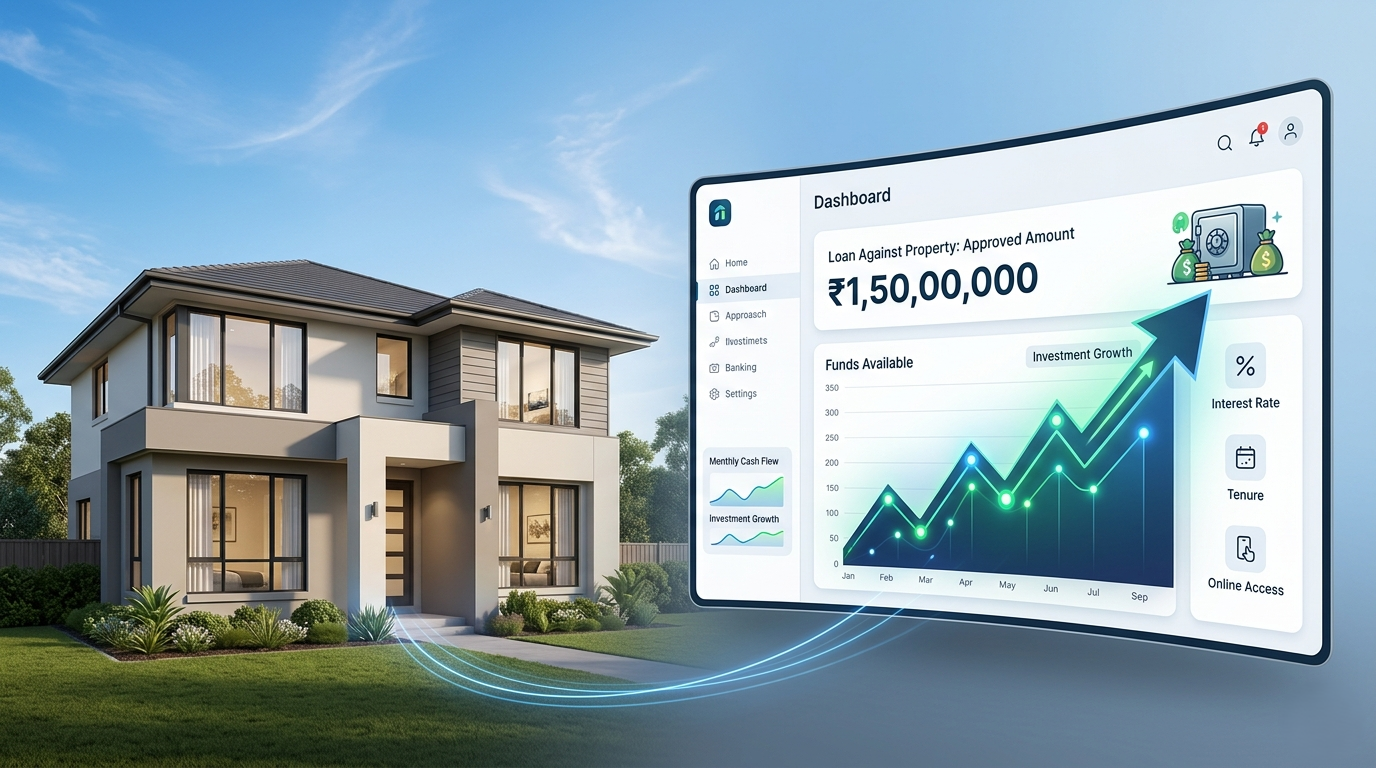
A Loan Against Property, also known as a mortgage loan, is a type of secured loan where the borrower uses their residential or commercial property as collateral to secure funds from a financial institution. The property pledged can include houses, apartments, land, or commercial establishments. This arrangement allows borrowers to unlock the latent value of their immovable assets, enhancing their borrowing capacity.
Documentation Requirements
The following documents are generally required when applying for a LAP:
- Identity and Address Proof: Aadhaar, passport, voter’s ID, or driving license
- Income Proof: Salary slips, bank statements, or income tax return
- Property Documents: Title deeds, tax receipts, and other relevant property papers
- Business Proof: For self-employed applicants, business registration and financial statements
- Photographs: Recent passport-sized photographs
Application Process
The process of obtaining a Loan Against Property typically involves the following steps:
- Application Submission: Fill out the loan application form and submit it along with required documents
- Property Valuation: The lender assesses the property’s market value through physical inspection and document verification
- Eligibility Assessment: The lender evaluates the applicant’s creditworthiness and repayment capacity
- Loan Approval: Based on the property value and applicant’s eligibility, the loan amount is determined and approved
- Disbursement: Once all conditions are met, the loan amount is disbursed to the borrower
Advantages of Loan Against Property
- Lower Interest Rates: Compared to unsecured loans, LAPs offer more competitive interest rate
- Higher Loan Amounts: The presence of collateral allows for larger loan amounts
- Flexible Usage: Funds can be used for various purposes, providing financial flexibility
- Longer Repayment Tenure: Extended repayment periods result in lower EMIs, easing the repayment burden
- Tax Benefits: In some cases, interest paid on LAPs used for business purposes may be tax-deductible
Considerations Before Applying
While LAPs offer numerous benefits, potential borrowers should consider the following:
- Risk of Property Loss: Defaulting on repayments can lead to the loss of the mortgaged property
- Property Valuation: Loan amounts are based on the current market value, not potential future value
- Repayment Capacity: Carefully assess your ability to repay the loan over the long term
- Loan-to-Value Ratio: Understand the LTV ratio offered by the lender, as it affects the loan amount.
- Processing Time: LAPs may take longer to process compared to unsecured loans due to property valuation and legal checks.
Frequently Asked Questions (FAQs)
- 1.What is a Loan Against Property (LAP)?+
A Loan Against Property is a secured loan where you pledge your residential or commercial property as collateral to get funds from a lender.
- 2.What is the repayment tenure for LAP?+
Loan tenure is usually long-term, often extending up to 15 to 20 years.
- 3.Who is eligible for a Loan Against Property?+
Salaried individuals, self-employed professionals, and business owners with a stable income and good credit score are eligible.
- 4.What documents are required for LAP?+
You need identity proof, address proof, income proof, and property-related documents such as title deed and tax receipts.
- 5.What credit score is required for LAP?+
A credit score of around 700 or above is generally preferred by lenders.
In conclusion, a Loan Against Property can be an effective financial tool for those looking to leverage their property’s value for various needs. However, it’s crucial to carefully consider the terms, understand the risks involved, and ensure that the loan aligns with your financial goals and repayment capacity. As with any significant financial decision, consulting with a financial advisor can help you make an informed choice.
Anwar Basha
Anwar is a seasoned real estate expert with over 10 years of experience. He writes about market trends, investment strategies, legal aspects, and tips for buyers and sellers, offering clear and practical insights drawn from his extensive industry knowledge