Tamil Nadu Property Documents
Property documents play a crucial role in the real estate sector in Tamil Nadu. These documents are essential for establishing ownership, transferring property, and resolving

Your guide to navigating the Indian real estate market.
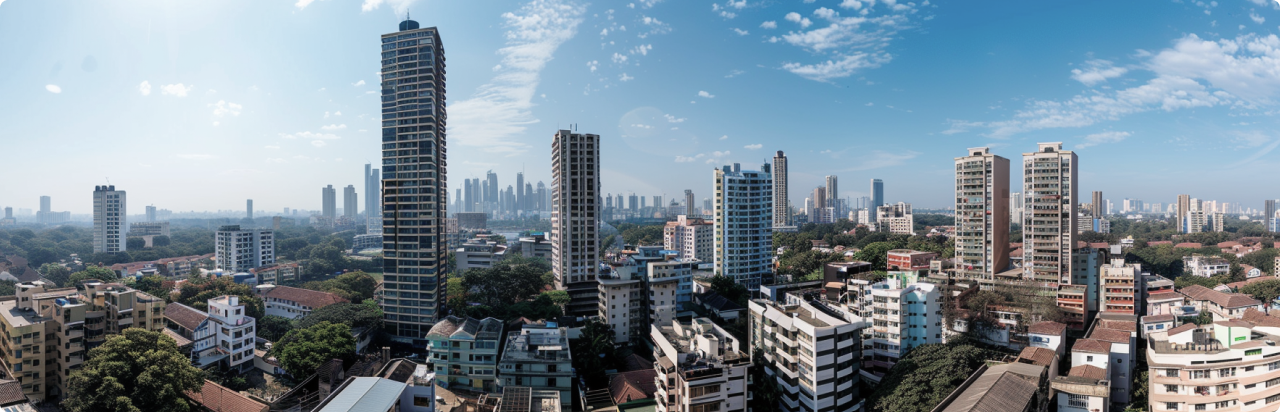
Property documents play a crucial role in the real estate sector in Tamil Nadu. These documents are essential for establishing ownership, transferring property, and resolving
What is an 8A Document? An 8A document is an essential extract from the land records in Maharashtra, specifically detailing the landholding of a particular
BBMP Property Tax is a tax levied by the Bruhat Bengaluru Mahanagara Palike (BBMP) on property owners in Bangalore. This article will provide a detailed
The Ferfar Document is a vital piece of paperwork in the state of Maharashtra. It serves as a record of rights (ROR) extract, providing details
In recent years, Ahmedabad has seen significant changes in its Floor Space Index (FSI) regulations, impacting urban development across the city. The current FSI allowance
Understanding the Goods and Services Tax (GST) applied to commercial property is crucial for property owners and tenants in India. The GST rate for renting
A Village Map in Tamil Nadu is an official land reference map maintained by the Revenue Department that shows survey numbers, land parcels, roads, water
An FMB Sketch (Field Measurement Book) in Tamil Nadu is an official land survey document issued by the Revenue Department that shows land boundaries, measurements,
A Patta Chitta in Tamil Nadu is an official land revenue record issued by the Revenue Department that confirms property ownership, survey details, and land
A Signed Encumbrance Certificate (Signed EC) in Karnataka is an officially authenticated document issued by the Registration Department and digitally signed to confirm its legal
Property Old Records in Maharashtra play a critical role when ownership history is unclear, especially for ancestral or decades-old properties. In this real case study,
A Satbara (7/12 Extract)—also known as Satbara Utara or 7/12 Utara—is one of the most important land revenue records in Maharashtra. It officially shows ownership
A digitally signed Encumbrance Certificate includes details like the property owner’s name, transaction history, survey number, extent, village, mortgages, claims, and other encumbrances recorded for the property.
Yes, a digitally signed Encumbrance Certificate is often mandatory for property transactions to verify the legal and financial status of the property, ensuring there are no disputes or liabilities.
No, the digitally signed Encumbrance Certificate only reflects transactions or liabilities officially registered with the government. Any unregistered encumbrances will not appear.
Yes, a digitally signed Encumbrance Certificate can be requested for any property, as it is public information..
Digitally Signed Encumbrance Certificate is only available from 1983 in Andhra Pradesh.
Yes, a digitally signed Encumbrance Certificate is accepted by most banks and financial institutions for loan processing, as it is legally valid and certified.
Subscribe to receive our latest blog posts directly in your inbox!